

ADU construction projects in Central Florida demand precise 2026 cost data, permit awareness, and realistic timelines, particularly when focusing on Seminole County. This ADU construction cost guide central florida 2026 delivers a direct overview of uncovered services including ADU costs, lanai examples, kitchen permits, bathroom timelines, and outdoor builders with specific county references.
Table of Contents
- ADU and Room Addition Planning in Seminole County
- Zoning and Lot Requirements in Seminole County
- Utility Connection Costs for ADUs
- 2026 Material Price Trends
- Energy Code Compliance for Additions
- Financing Options for Central Florida ADUs
- Common Pitfalls to Avoid
- Frequently Asked Questions
ADU and Room Addition Planning in Seminole County
ADU and room addition planning in Seminole County starts with verifying local zoning allowances, lot coverage limits, and setback requirements before any design work begins. Homeowners must account for Central Florida’s 140 mph wind-load standards and flood-zone considerations that directly impact foundation and structural choices. Builders coordinate early engineering reviews to align projects with county codes and avoid later revisions.
Current 2026 pricing reflects updated material costs and labor rates across the region. The following table maps service types against average cost ranges and expected timelines based on recent Seminole County and Orange County projects.
| Service Type | Average Cost Range | Timeline |
|---|---|---|
| ADU Construction | $80,000-$150,000 | 4-8 months |
| Room Addition | $45,000-$95,000 | 3-6 months |
| Lanai Addition | $25,000-$55,000 | 6-10 weeks |
| Kitchen Remodel | $18,000-$42,000 | 4-8 weeks |
| Bathroom Remodel | $12,000-$28,000 | 3-6 weeks |
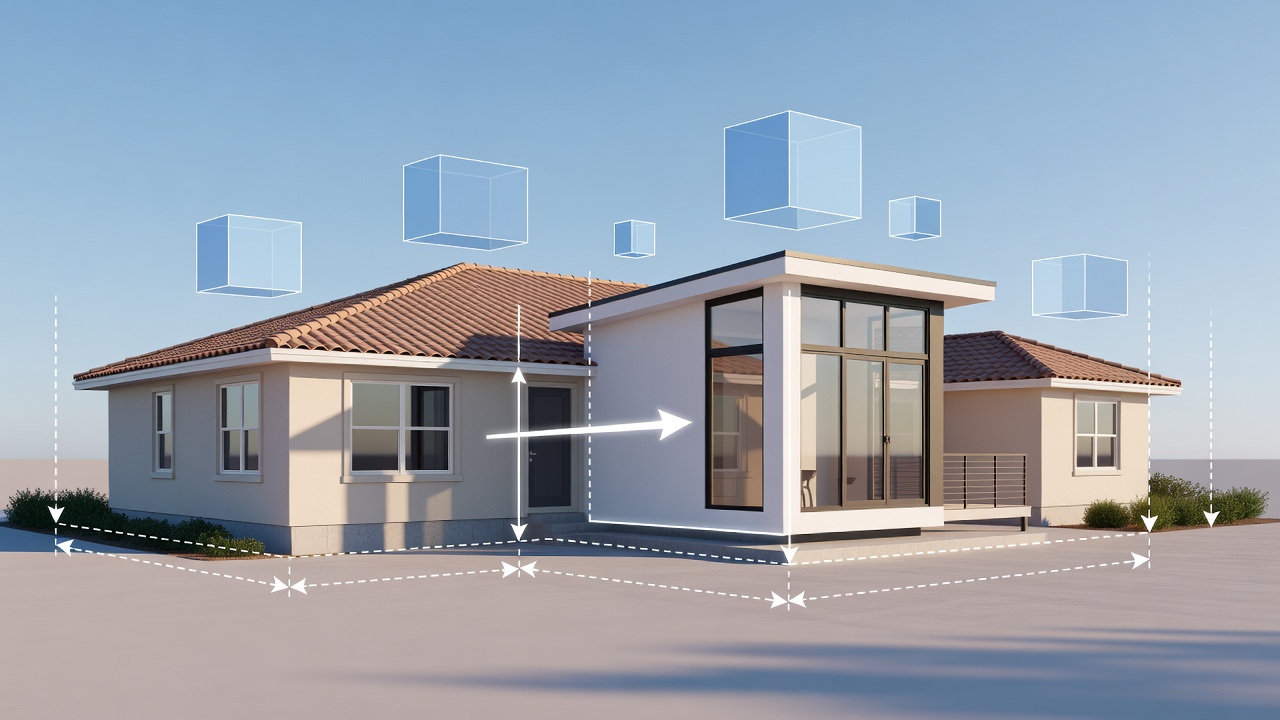
ADU construction remains the largest single investment due to full utility connections, separate HVAC systems, and compliance with residential building codes. Room additions attached to the main structure often cost less because they share existing infrastructure. Lanai additions provide outdoor living space while meeting the same impact-resistant glazing and roof tie-down requirements as interior work.
Kitchen permits in Seminole County require electrical and plumbing inspections plus cabinet and countertop specifications submitted with the initial application. Bathroom timelines shorten when projects reuse existing plumbing stacks, yet still demand waterproofing details and ventilation calculations. Outdoor builders specializing in lanais coordinate with the same structural engineers used for ADUs to maintain consistent load-path continuity across the property.
Site preparation costs vary by soil conditions and existing drainage, while utility trenching for ADUs adds separate line items for electric, water, and sewer connections. Energy-efficient upgrades such as impact windows and insulated panels appear in most 2026 quotes because they satisfy both code minimums and long-term operating savings. Mid-project changes to finishes or fixtures extend timelines by two to four weeks on average.
Permit processes begin with municipal site plan review followed by structural engineering sign-off and any required HOA approval. Complete documentation packages that include wind-load calculations and elevation certificates move through review faster than partial submissions. County inspectors schedule rough framing, electrical, plumbing, and final walkthroughs once construction starts, with each stage documented for the 1-2-10-20 warranty coverage that protects the completed work.
Design examples for lanais commonly feature aluminum framing, insulated roofs, and ceiling fans sized for Florida summers. Kitchen remodels integrate quartz or granite counters with under-cabinet lighting and appliance garages to maximize storage. Bathroom timelines benefit from pre-selected tile layouts and vanity dimensions that fit standard rough-in dimensions. Outdoor builders frequently combine lanai construction with ADU projects when the addition shares a common roofline, reducing overall mobilization costs.
Zoning and Lot Requirements in Seminole County
Zoning and lot requirements in Seminole County determine the maximum allowable ADU size based on primary residence square footage and total lot coverage percentages. Most residential zones limit detached ADUs to 800-1,200 square feet while requiring minimum 10-foot side setbacks and 20-foot rear setbacks from property lines. Early verification of these limits prevents redesign costs after initial engineering is complete.
Corner lots face additional frontage restrictions that can reduce buildable area by 15-20 percent compared to interior lots. Flood zone designations require elevated foundations that add $8,000-$15,000 to base construction costs. Homeowners should request a zoning verification letter from the county planning department before committing to detailed drawings.
Utility Connection Costs for ADUs
Utility connection costs for ADUs in Central Florida average $12,000-$25,000 depending on distance from existing service lines and required upgrades to the main panel. Separate electric meters, water taps, and sewer laterals must be installed by licensed contractors and inspected by the local utility provider. Trenching through established landscaping or driveways increases these expenses by 30-50 percent.
Electric service upgrades to 200-amp panels are common when adding an ADU with full kitchen and HVAC loads. Natural gas connections for tankless water heaters add another $3,500-$6,000 in most Seminole County subdivisions. Builders coordinate utility locates and permitting to avoid service interruptions during active construction phases.
2026 Material Price Trends
2026 material price trends show continued elevation in concrete, lumber, and impact-rated glazing due to supply chain adjustments and updated Florida Building Code requirements. Concrete costs have stabilized at $145-$165 per cubic yard while impact windows now average $85-$115 per square foot installed. Builders who lock material pricing 60-90 days before groundbreaking protect clients from mid-project escalations.
Engineered wood products for roof framing have increased 12 percent year-over-year while steel reinforcement remains relatively stable. Local suppliers in the Longwood and Lake Mary areas maintain inventory buffers for high-demand items such as hurricane clips and continuous load-path hardware. Early material procurement reduces schedule risk on projects scheduled for spring and summer starts.
Energy Code Compliance for Additions
Energy code compliance for additions in 2026 requires meeting or exceeding the current Florida Energy Conservation Code for insulation, window U-factors, and HVAC efficiency ratings. Seminole County enforces R-30 ceiling insulation and U-0.35 maximum for windows in most residential zones. ADUs must include separate programmable thermostats and ENERGY STAR-rated appliances to pass final inspection.
Continuous load-path engineering integrates with energy details through sealed penetrations and properly flashed openings. Builders who pre-select high-performance windows and doors during design avoid costly substitutions later. Utility rebate programs for heat-pump water heaters and high-SEER HVAC systems can offset 8-12 percent of total project costs when documented correctly.
Financing Options for Central Florida ADUs
Financing options for Central Florida ADUs include construction-to-permanent loans, home equity lines of credit, and specialized ADU financing programs offered by local credit unions. Interest rates for 2026 projects range from 6.75-8.25 percent depending on credit profile and down payment amount. Lenders require detailed cost estimates and architectural drawings before approving funding commitments.
Property tax increases from the added square footage average $1,800-$3,200 annually in Seminole County and should be factored into long-term budgets. Some owners pursue short-term bridge financing during construction then refinance into a conventional mortgage once the certificate of occupancy is issued. Pre-approval meetings with lenders familiar with local building practices accelerate the overall timeline.
Common Pitfalls to Avoid
Common pitfalls to avoid when planning an ADU in Seminole County include underestimating utility connection distances and failing to verify HOA architectural review timelines before submitting county permits. Another frequent issue arises when owners select finishes without confirming availability, causing four-to-six-week delays during peak building season. Experienced teams recommend finalizing all material selections and obtaining written price guarantees prior to groundbreaking.
Skipping soil testing can lead to foundation redesigns that add $7,000-$12,000 after permits are already issued. Homeowners should also confirm that their chosen builder maintains current licensing and insurance documentation on file with the county to prevent stop-work orders. A key strategy to consider is scheduling a pre-construction meeting with all subcontractors to align schedules and reduce coordination conflicts on site.
Frequently Asked Questions
What permits are needed for an ADU in Central Florida?
Municipal site plan review, structural engineering, and HOA approval are required under Seminole and Orange County codes.
Additional questions commonly asked by Seminole County homeowners include timelines for utility inspections and whether detached ADUs require separate addressing. County staff can provide the most current checklist during the initial zoning verification appointment.
Ready to move forward with your ADU or room addition project? Request a free estimate today and receive a detailed cost breakdown tailored to your Seminole County property.
Additional details on warranty phases that apply to these additions appear at StrucSure Warranty Phases Explained: Florida 1-2-10-20 Coverage Timeline 2026. Service descriptions for full remodeling packages are listed at Our Services.