
As of April 19, 2026, Florida continues to lead as the Sunshine State’s premier destination for custom home building, with Central Florida emerging as a hotspot for resilient, lifestyle-focused residences. Projections based on 2023-2025 trends from the National Association of Realtors (NAR) indicate sustained growth in population and real estate demand, making it critical to engage certified contractors versed in the latest codes.
Fox Certified Contractors Inc., holding license CGC1509392, exemplifies this expertise through full-service solutions from 3D tours to 20-year StrucSure warranties.[1] Note: 2026 projections are based on current data and subject to regulatory changes; always verify with official sources like the Florida DBPR.
Table of Contents
- Why Florida Remains the Top Destination for Dream Homes in 2026
- Navigating Florida’s Unique Climate and Geography for Home Building
- Florida Building Codes and Regulations Updated for 2026
- How to Select Certified Contractors in Florida
- Step-by-Step Process to Build Your Dream Home in Florida
- Common Mistakes to Avoid When Building in Florida
- Future-Proofing Your Florida Home with 2026 Trends
- Frequently Asked Questions
Quick Answer: Florida’s top appeal in 2026 stems from 2%+ annual population growth per U.S. Census data and economic drivers like tourism/tech, ideal for custom home builders in Central Florida.
Florida remains the ultimate destination for dream homes in 2026 due to its economic resilience and lifestyle advantages. Central Florida areas like Longwood (1526 Grace Lake Circle) benefit from lower coastal risks while offering urban access.
Per NAR reports, the state’s real estate market favors hurricane-resistant builds with transferable warranties, boosting resale value. Custom home builders Central Florida prioritize open-concept designs with lanais for outdoor living.
- Population influx drives demand for 1,500-3,500 sq ft homes.
- Job growth in Orlando/Winter Park supports investment.
- Energy-efficient features reduce long-term costs.
Florida’s Booming Population and Economic Drivers
Florida’s economy, fueled by tourism and tech hubs, supports robust housing. In Central Florida, certified contractors handle increased demand with efficient processes. For example, a 2025 Longwood project accommodated growing families with 4-bedroom layouts.
Key Lifestyle Benefits of Living in the Sunshine State
Beach access, golf views, and waterfront options define Florida living. Builders incorporate must-haves like pools and smart homes seamlessly.
2026 Real Estate Market Forecast and Opportunities
Projected trends show value in inland markets; coastal premiums rise with NOA-approved materials. Invest in upgrades like quartz counters ($50-120/sq ft) for ROI.
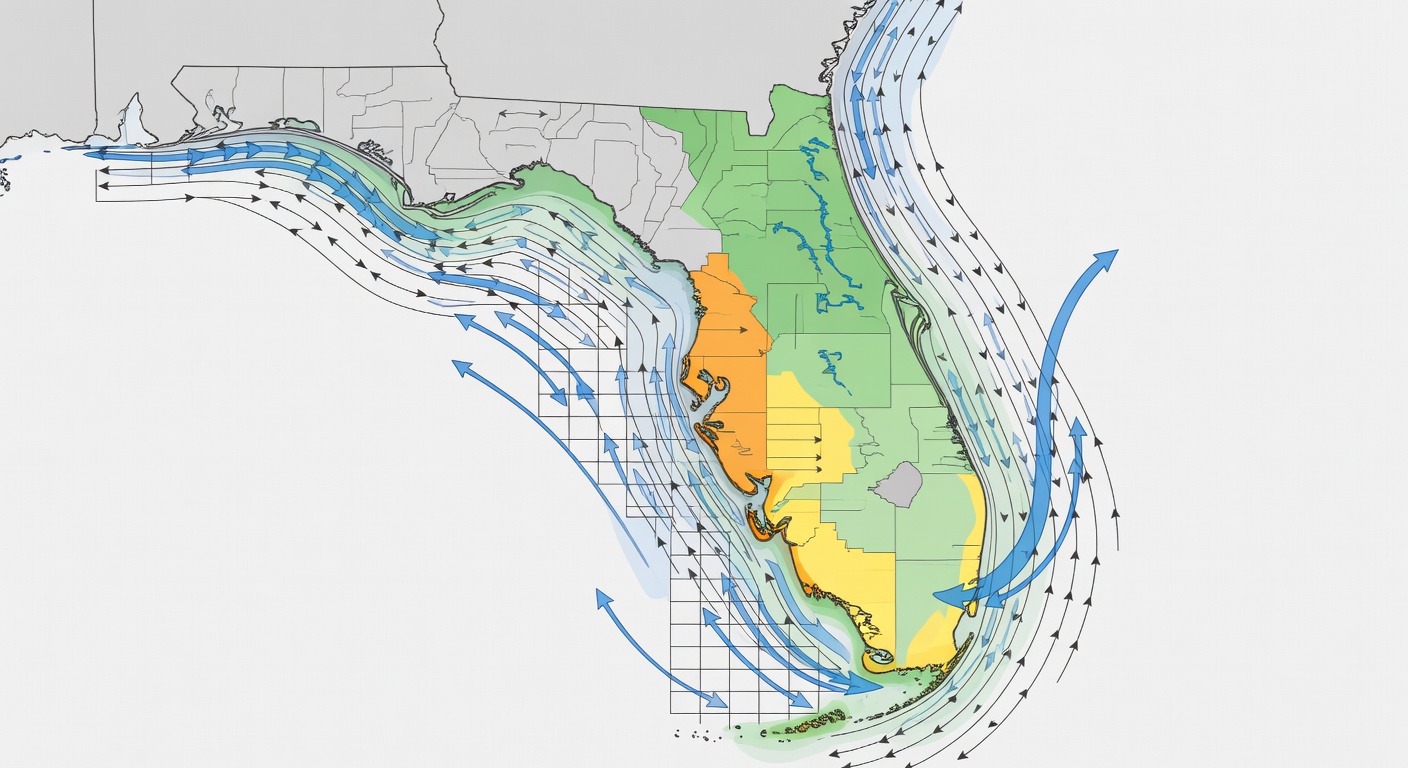
Quick Answer: Florida’s tropical climate requires hurricane-rated designs (140+ mph winds) and flood elevation, with Central FL offering balanced humidity management via porcelain tile and ventilation.
Florida’s geography—coastal to inland—dictates construction adaptations per the Florida Building Code. Central Florida’s moderate risks allow cost-effective single-story ranches or 1.5-story bonuses.
Humidity challenges are met with durable finishes: laminate flooring ($2-5/sq ft) for budgets, solid hardwood ($8-15/sq ft) for luxury. Hurricane windows ensure storm protection.
- Tropical storms demand impact glass per Miami-Dade NOA standards.
- Larger homes (3,000+ sq ft) need extra cooling considerations.
- 2-car garages standard for golf cart storage.
Impact of Coastal and Tropical Conditions on Construction
High moisture requires sealed systems; porcelain tile excels in durability. Local expertise prevents common mold issues.
Regional Differences: From Miami to Orlando
Miami enforces stricter NOA; Orlando focuses on energy codes. Central FL ZIPs 32750 suit 3-4 bed families.
Essential Hurricane-Resistant Design Features
Wind-rated framing and elevation comply with ASCE 7-22. Experienced contractors in Central Florida often integrate these from design phase for seamless builds.
Quick Answer: The current 7th Edition Florida Building Code (with 2026 amendments anticipated) mandates 140+ mph winds, flood compliance, and post-Surfside inspections for safe construction.
Florida Building Codes emphasize resilience, updated via the Florida Building Commission. License CGC1509392 holders ensure adherence across phases.[2]
| Timeline | Coverage Type | Protected Elements | Backed By |
|---|---|---|---|
| Year 1 | Full | Workmanship, materials, systems | StrucSure |
| Years 2-10 | Systems | Electrical, plumbing, HVAC | Lloyd’s Reinsurance |
| Years 10-20 | Structural | Foundation, walls, framing | Transferable |
This 1-2-10 warranty provides comprehensive peace of mind, A-rated since 1997.
Overview of the 7th Edition Florida Building Code (2026 Updates)
Focuses on energy efficiency and wind loads. All materials must meet HERS ratings.
Post-Surfside Condominium Inspection Requirements
Mandatory audits extend benefits to single-family via proactive checks. Ensures structural integrity.
Permitting Process and Local Variations by County
Submit surveys; Central FL processes average 30-60 days. Transparent communication key.
Quick Answer: Prioritize DBPR-licensed contractors (e.g., CGC1509392) with insurance, warranties, and local portfolios; verify via official search for Central Florida custom home builders.
Selecting certified contractors in Florida involves DBPR verification and warranty review.[3] Avoid red flags like no license or vague scopes.
For Central Florida dream homes, firms offering 3D tours and Builders FirstSource partnerships excel. Learn more about our story.
- Check active status at myfloridalicense.com.
- Require 20-year transferable coverage.
- Review Angi’s List for real feedback.
Licensing and Certification Standards Explained
General contractors pass state exams; insured status mandatory. CGC1509392 covers residential/commercial.
Vetting Process: Red Flags and Verification Steps
Delays from poor selection cost 20% overruns. As CGC1509392 holders with decades experience, we verify all subs.
Cost Estimates and Contracts for Florida Projects
Min $200K-$1M max; granite counters $40-100/sq ft. Detailed bids prevent surprises.

Quick Answer: Florida’s process spans 6-12 months: select style (modern/coastal), plan layout, secure permits, build with milestones, and finalize with walkthrough.
Building custom homes in Central Florida starts with interactive quizzes for styles like farmhouse or luxury villa.
A real-world example: A 3,200 sq ft Coastal Modern Retreat (4 beds, 3.5 baths) used open concepts and hurricane features, completed on schedule. View our Florida house plans.
Site Selection and Feasibility Studies
Upload surveys for lot optimization; renovations flagged separately.
Design and Architectural Planning
Configure 3-5 beds, gourmet kitchens, premium cabinets ($35K+). Must-haves: lanais, solar.
Construction Timeline and Milestones in 2026
Builder’s risk via SHW; phases tracked transparently. Client quote: “Exceeded expectations on time.”
Quick Answer: Avoid flood oversight (raises premiums 30%), unlicensed hires (code fines), and budget underestimation by 20% on cooling/AC.
Common pitfalls in Florida construction include ignoring zones, per FEMA data. Proper vetting prevents 15-25% delays.
- Flood maps essential for elevation.
- Wind mitigation credits save $1-2K/year.
- Contract reviews avert disputes.
Overlooking Flood Zone Requirements
Non-compliance voids insurance; always check FEMA.
Underestimating Insurance and Wind Mitigation
Impact windows mandatory for discounts.
Poor Contractor Selection Leading to Delays
Unlicensed risks total loss; certified ensure quality.
Quick Answer: 2026 trends favor solar panels (state rebates), HERS-rated efficiency, and smart tech for Florida’s coastal resilience.
Future-proofing involves green incentives and automation. Central Florida builders integrate these for 20% energy savings.
- Solar via FPL rebates.
- Smart systems for humidity control.
- Emerging markets like Lake Mary.
Sustainable and Energy-Efficient Building Practices
HERS compliance meets codes; porcelain/LED standard.
Smart Home Integrations for Coastal Living
Automated lighting/dimmers enhance usability.
Investment Potential in Emerging Florida Markets
Central FL resale boosted by warranties. Partner with Builders FirstSource.
Frequently Asked Questions
What certifications must Florida contractors have in 2026?
Active DBPR license (e.g., CGC1509392), liability insurance, and workers’ comp. Verify at myfloridalicense.com for Central Florida custom home builders.
How much does it cost to build a home in Florida?
$200K-$3M total, with $500-750/sq ft average including land/finishes. Central FL hurricane-proof homes trend lower inland.
What are the 2026 changes to Florida hurricane building standards?
Anticipated amendments to 7th Edition enhance ASCE 7 wind loads to 150+ mph in high-risk zones, per Building Commission projections.
How long does the home building process take in Florida?
6-18 months; efficient Central FL firms hit 9-month averages with in-house teams.
Which Florida cities offer the best value for new construction?
Longwood, Orlando, Lake Mary in Central FL balance costs ($300-500/sq ft) with amenities and lower risks.
Embark on your Florida dream home journey today. Start your 3D home tour or get a free estimate from licensed experts at (929) 506-7079.
[1] Florida DBPR licensing standards.
[2] StrucSure Home Warranty details at strucsure.com.
[3] myfloridalicense.com verification portal.