
Florida, famously called the Sunshine State, draws over 1,300 daily newcomers with its endless beaches, tax advantages, and vibrant economy. For potential movers, investors, or builders, navigating Florida’s climate-driven real estate and construction needs is crucial. This comprehensive guide, drawing from official data and industry standards, equips you with actionable insights for thriving in Florida.
Table of Contents
- What Makes Florida the Sunshine State?
- Best Places to Live in Florida
- Florida Real Estate Market Trends 2024
- Cost of Living in Florida Explained
- Building or Renovating Homes in Florida
- Hurricane Preparedness for Florida Homes
- Pros and Cons of Moving to Florida
- Florida Economy and Job Opportunities
- Frequently Asked Questions
What Makes Florida the Sunshine State?
Florida stands out as the Sunshine State thanks to more than 230 sunny days per year, a subtropical climate averaging 80-90°F highs, and diverse ecosystems from white-sand beaches to vast wetlands. [Source: NOAA Climate Data]
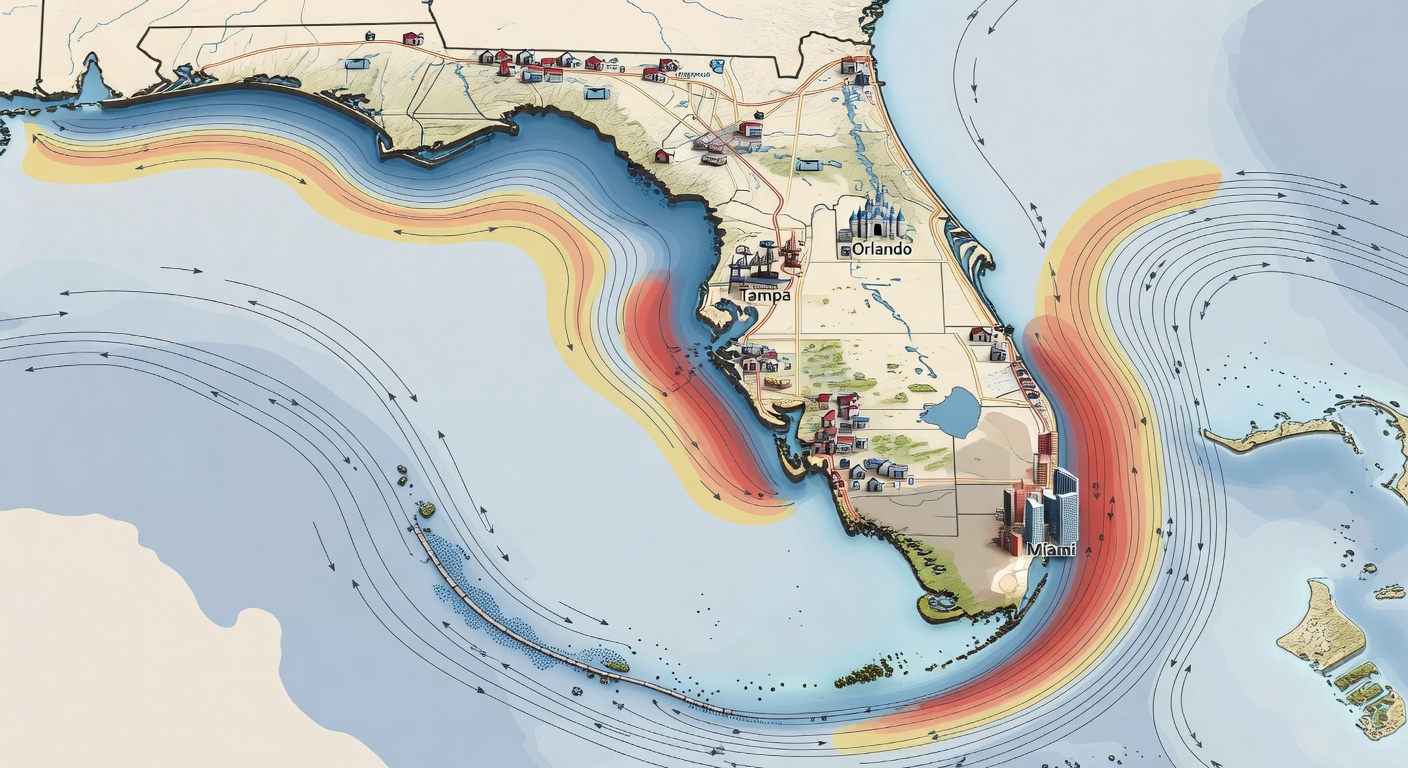
The peninsula’s geography, flanked by the Gulf of Mexico and Atlantic Ocean, creates unique weather patterns including daily thunderstorms and the Atlantic hurricane season (June-November). This environment necessitates **hurricane-resistant homes Florida** designs with moisture barriers.
- Climate details: High humidity (70-90%) demands ventilation systems and mold-resistant materials like porcelain tile ($4-12/sq ft). [Source: Florida Building Code]
- Ecosystems: Everglades (1.5M acres wetlands), Florida Keys (coral reefs), supporting eco-tourism.
- Demographics: 22M+ residents, fastest-growing state. [U.S. Census 2023]
Entity relationship: Subtropical humidity interacts with coastal salt air, accelerating corrosion—hence galvanized steel framing standards in coastal builds.
Best Places to Live in Florida
Central Florida areas like Longwood offer the best balance for families with lower hurricane risk, A-rated schools, and median homes at $450,000. Coastal cities excel for beach lovers despite higher premiums. [Source: Niche.com 2024 Rankings]
Top Cities: Miami, Orlando, and Tampa Breakdown
Miami suits urban vibrancy, Orlando families via theme parks, Tampa affordable bayside living.
Coastal vs. Inland Living Options
Inland Central Florida reduces flood exposure by 40% vs. coasts. [NOAA Risk Maps]
Family Living in Central Florida
Seminole County (Longwood) boasts top schools (A-rated), healthcare access, and 20-min Orlando commutes—ideal for growing families.
| City | Population | Median Home Price | Hurricane Risk Rating | Top Attractions/Schools |
|---|---|---|---|---|
| Miami | 442,241 | $550,000 | High (HVHZ) | South Beach; B-rated schools |
| Orlando | 310,472 | $400,000 | Medium | Disney; A/B schools |
| Tampa | 398,173 | $380,000 | Medium-High | Ybor City; A-rated |
| Longwood (Central FL) | 15,085 | $450,000 | Low-Medium | Grace Lake; A-rated Seminole |
In real-world relocations, families prioritize Seminole County’s schools for long-term value.
Florida Real Estate Market Trends 2024
Florida real estate trends 2024 project 5-7% appreciation amid low inventory (3 months supply), with Central Florida leading for custom builds. [Source: Redfin Q2 2024 Report]
Current Home Prices and Appreciation Rates
Statewide median $400,000, up 6% YoY; luxury coastal at $1M+.
Popular Property Types for Buyers
Single-story ranches (1,500-3,500 sq ft) with 2-car garages dominate for retirees.
Investment Opportunities in Florida
Rentals near Orlando yield 6% cap rates. [NAR 2024]
Cost of Living in Florida Explained
Florida’s cost of living exceeds national average by 3%, driven by housing (20% higher), but no state income tax saves $5,000/year for median earners. [Source: Missouri Economic Research 2024]
Housing, Taxes, and Utilities Breakdown
Property tax 0.8%; insurance $4,419 avg (windstorm factor). [Insurance Information Institute]
Grocery and Transportation Costs
Groceries +5%, gas $3.40/gal.
Taxes & Schools
No income tax; sales 6-7.5%; top districts like Seminole add resale value.
- Monthly budget example: $2,200 mortgage + $200 utilities.
Building or Renovating Homes in Florida
Building or renovating in Florida centers on **Florida Building Code (FBC)** compliance for 170 mph winds in some zones, costing $200-400/sq ft total. Certified contractors ensure permits and warranties.
Florida Building Code Wind Requirements
**High-Velocity Hurricane Zones (HVHZ)** like Miami mandate Miami-Dade NOA-approved products; statewide 140 mph minimum.
Cost to Build a House in Florida 2024: Breakdown
$300,000 avg for 2,500 sq ft: $150/sq ft base + upgrades (quartz $50-120/sq ft). [Source: HomeAdvisor 2024]
- Finishes: Laminate floors $2-5/sq ft vs. porcelain $4-12.
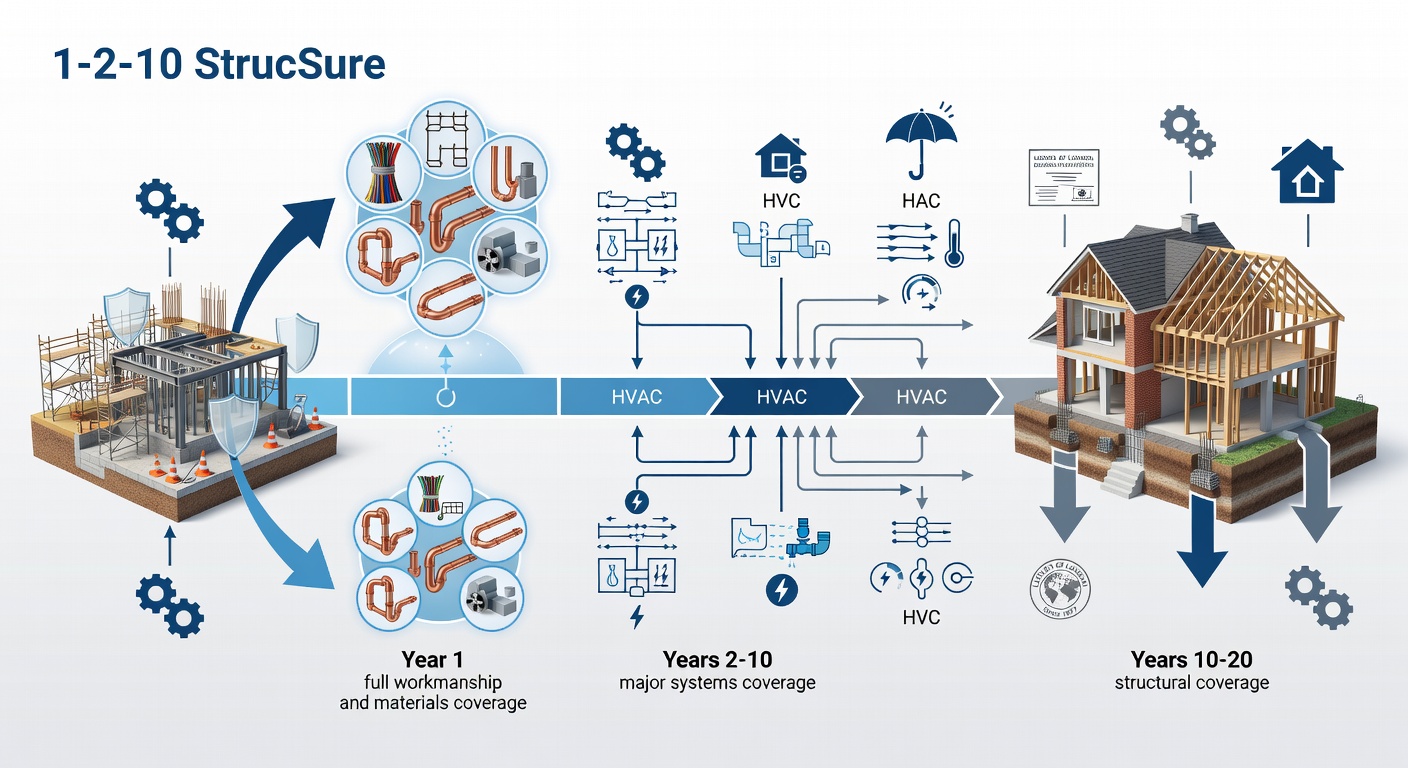
- Warranties: **1-2-10 StrucSure** (Year 1 workmanship, 2-10 systems like HVAC, 10-20 structure; backed by Lloyd’s). Transferable for resale.
Firms like those with CGC1509392 license partner with Builders FirstSource for materials.
Common Pitfalls in Florida Builds
Avoid skipping surveys—mismatched lot designs inflate costs 15%. Overlook humidity: Wood floors warp without acclimation.
Hurricane Preparedness for Florida Homes
**NFIP** flood insurance and impact-rated windows are essential; prep includes generators and evacuation plans for June-Nov peaks. [Source: NOAA Hurricane Center]
- Risks: Storm surges 12-20 ft, 74+ mph winds.
- Fortification: Metal straps, clip roofs ($10k-30k ROI via premiums).
- During build: Builder’s risk insurance covers phases.
Expert strategy: Annual inspections per ASCE 7 standards prevent 80% failures.
Pros and Cons of Moving to Florida
Pros outweigh cons for most: No income tax, beaches, growth; cons like humidity/storms mitigated by code-compliant homes.
Lifestyle Advantages
Outdoor lanais, golf courses; case: Retiree in Longwood enjoys 1-story ranch with pool.
Potential Drawbacks and How to Mitigate
Insurance high? Choose inland; bugs? Screened porches standard.
Real-World Relocation Stories
Family to Seminole County: Saved $2k/year insurance, gained A-schools via elevated custom build.
Florida Economy and Job Opportunities
Florida’s $1.4T GDP grows 3.5% YoY via tourism (130M visitors), construction (200k jobs), and tech hubs. [Source: BEA 2024]
Key Industries: Tourism, Tech, and Construction
Orlando tourism employs 150k; construction surges with 50k new homes/year.
Remote Work Appeal
52k sq ft avg homes suit offices; no tax boosts savings.
Growth Projections
Construction demand up 15% for resilient retrofits. Case: Central FL firm handles 100+ custom projects annually.
Per industry standards, pairing local expertise with transferable warranties maximizes ROI in Florida’s dynamic market.
Frequently Asked Questions
What are the best contractors in Florida for hurricane-resistant homes?
- Verify CGC licenses via DBPR.
- Seek 1-2-10 warranties like StrucSure.
- Example: Central FL firms with Builders FirstSource ties. [Angi’s List]
How much does it cost to build a house in Florida?
- $200-400/sq ft; $500k avg 3BR.
- Breakdown: Base $150/sq ft + $50k upgrades. [HomeAdvisor]
Is Florida a good place to buy real estate in 2024?
- Yes, 6% growth projected. [Zillow]
- Best: Inland for value.
What Florida building codes address storm protection?
- FBC: 140 mph winds, HVHZ extras.
- Flood: ASCE 24 elevations. [FL DBPR]
How do I find certified contractors in Florida?
- DBPR lookup for CGC.
- Reviews: Angi’s; warranties key.
Florida blends opportunity with challenges—smart choices in location and builds ensure success. According to current best practices, prioritize licensed pros for compliance.
Next steps? Get your free estimate or explore options at Find Your Dream Home.