
Licensed CGC1509392 contractors in Orlando deliver 140 mph commercial construction using continuous load path steel strapping, reinforced foundations, and impact-rated openings. Full StrucSure 1-2-10-20 coverage protects structural integrity across all phases while meeting Seminole and Orange County permitting standards.
Table of Contents
- Hurricane Resistant Commercial Construction Requirements in Orlando
- Central Florida Commercial Construction Market Landscape 2026
- Permitting Workflows for 140 MPH Commercial Projects
- Material Specifications and Continuous Load Path Details
- StrucSure Warranty Phases for Commercial Builds
- Cost Factors and Lead Targeting in Orlando
- Common Pitfalls in Commercial Hurricane Resistant Projects
- Frequently Asked Questions
Hurricane Resistant Commercial Construction Requirements in Orlando
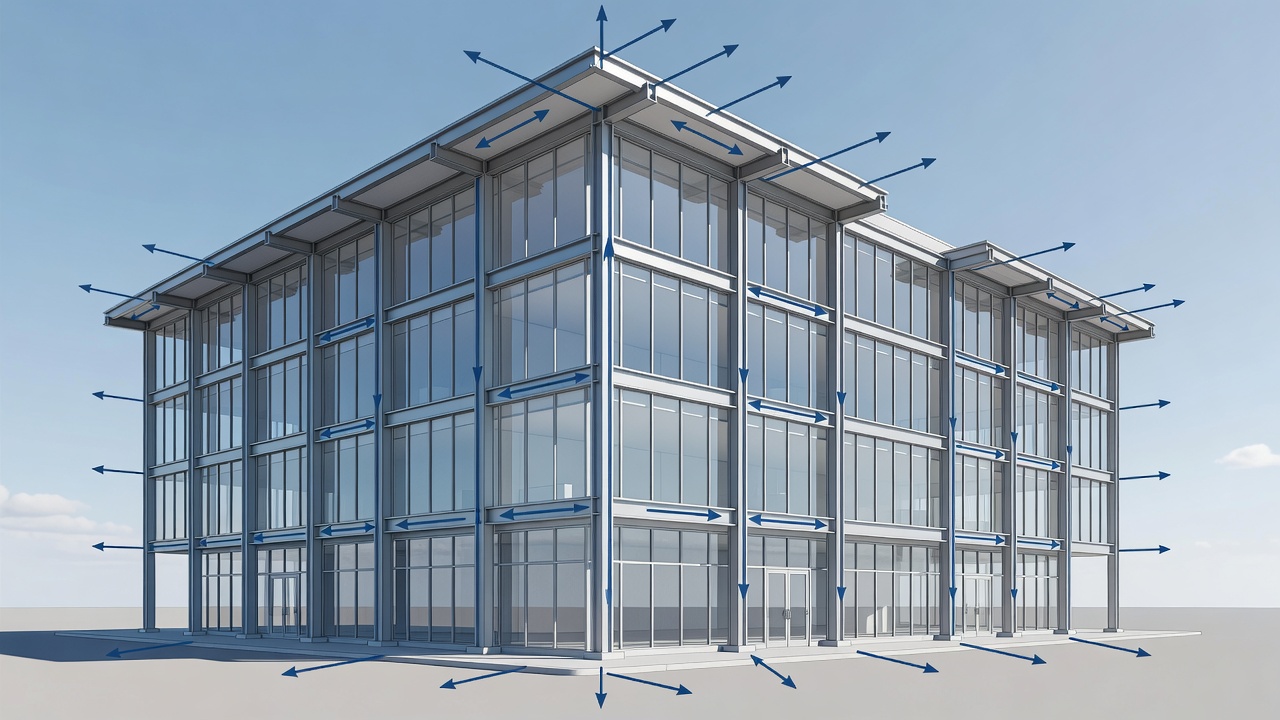
Orlando commercial projects must incorporate 140 mph wind load ratings to comply with the current Florida Building Code. Continuous load path verification ensures every structural element transfers forces from roof to foundation without interruption. Licensed contractors achieve this through steel strapping at roof-to-wall connections, hurricane ties spaced every four feet, and reinforced concrete foundations designed for uplift resistance.
Impact-rated openings protect against wind-borne debris while maintaining daylighting and energy performance. These specifications exceed minimum code requirements and support insurance credits through documented wind mitigation features. Central Florida Construction Services | Commercial Builds & Remodels outlines how these elements integrate into full project workflows.
Projects in Seminole and Orange counties require engineering calculations stamped by Florida-licensed professionals before permit issuance. Continuous load path documentation must detail every connector, strap, and foundation detail to prevent approval delays. Orlando Commercial Construction | Fox Certified Contractors provides examples of compliant submissions that meet local review standards.
Reinforced foundations use increased rebar schedules and deeper footings to resist uplift. Roof decking requires enhanced nailing patterns and sealed edges to maintain the continuous load path. Impact-rated glazing systems must carry Miami-Dade or Florida Building Commission product approvals.
Energy-efficient features such as cool roof membranes and high-performance insulation combine with 140 mph structural requirements without compromising wind resistance. Contractors coordinate these elements during design to avoid conflicts during inspection. Energy Efficient 140 MPH Commercial Construction Winter Park Florida 2026 | CGC1509392 demonstrates integration methods used in nearby markets.
Material specifications include corrosion-resistant connectors for coastal exposure zones and pressure-treated wood where required. All fasteners must match the engineered load values submitted with permit documents. Continuous load path verification occurs at multiple inspection stages to confirm field installation matches the approved drawings.
StrucSure 1-2-10-20 coverage begins at certificate of occupancy and extends structural protection through phased warranty periods. Transferable coverage adds market value for future owners of commercial properties in the Orlando area. Full documentation of load path elements during construction supports warranty claims if defects arise.
The following table maps core requirements against enhanced 140 mph specifications and corresponding warranty periods.
| Requirement | Standard | Enhanced 140 MPH Spec | Warranty Period |
|---|---|---|---|
| Roof to wall ties | Basic straps | Hurricane ties every 4 ft | Years 1-20 |
| Foundation reinforcement | Standard rebar | Engineered uplift design | Years 1-10 |
| Opening protection | Basic glazing | Impact-rated systems | Years 1-2 |
| Load path verification | Visual inspection | Full engineering report | Years 1-20 |
Central Florida Commercial Construction Market Landscape 2026
The Central Florida commercial construction market in 2026 continues to expand due to population growth and demand for hurricane-resistant buildings. Builders compete intensely for projects requiring 140 mph wind load ratings and continuous load path verification. Fox Certified Contractors maintains a strong position through verified CGC1509392 licensing and full StrucSure coverage.
Key demand drivers include updated Florida Building Code enforcement requiring continuous load path verification on all new construction. Increased insurance requirements for wind mitigation credits favor StrucSure 1-2-10-20 coverage. Buyer preference for transferable warranties adds resale value in Seminole County and Orange County markets.
Licensing and code compliance trends show that CGC1509392 licensed contractors dominate searches because property owners verify credentials before engaging. Energy-efficient features combined with 140 mph compliance now rank as top decision factors. Builders that fail to publish continuous load path engineering details lose ranking positions to competitors who create dedicated educational content. Commercial Construction details how these trends shape project selection.
Permitting Workflows for 140 MPH Commercial Projects
Orange County and Seminole County permitting offices require detailed continuous load path drawings before issuing commercial construction permits. Licensed contractors submit wind load calculations and material specifications as part of the review process. Inspections occur at foundation, framing, and final stages to confirm 140 mph compliance.
Delays occur when documentation lacks verified engineering stamps from Florida-licensed professionals. A key strategy to consider involves pre-submission meetings with plan reviewers to clarify load path expectations. Experienced developers often prepare supplemental diagrams showing connector locations and uplift calculations to accelerate approvals.
Common pitfalls include submitting incomplete continuous load path reports that omit foundation reinforcement details. Property owners who skip license checks through Florida DBPR often face compliance issues later. Another frequent mistake is choosing builders that advertise 140 MPH ratings without publishing engineering calculations or continuous load path details for commercial additions.
Material Specifications and Continuous Load Path Details
Continuous load path engineering requires hurricane ties installed at every four feet along roof-to-wall connections and steel strapping at all critical joints. Reinforced concrete foundations with increased rebar density resist uplift forces during high-wind events. Impact-rated glazing systems protect interior spaces while maintaining daylighting requirements.
These standards exceed basic code minimums and qualify projects for insurance premium reductions. Continuous Load Path Definition Florida Construction for 140 MPH Homes explains the underlying mechanics that apply equally to commercial structures. All connectors must carry third-party testing reports matching the submitted wind load values.
Reinforced foundations use increased rebar schedules and deeper footings to resist uplift. Roof decking requires enhanced nailing patterns and sealed edges to maintain the continuous load path. Impact-rated glazing systems must carry Miami-Dade or Florida Building Commission product approvals.
StrucSure Warranty Phases for Commercial Builds
StrucSure 1-2-10-20 coverage provides phased protection that begins at project completion and extends structural warranties for up to 20 years. Transferable coverage adds value for future property transactions in the Orlando market. Contractors document all load path connections during construction to maintain full warranty eligibility.
This protection covers workmanship and material defects that could compromise wind resistance. What Is StrucSure Home Warranty for Florida Homeowners outlines the phase timeline that extends directly to qualifying commercial projects. Full documentation of load path elements during construction supports warranty claims if defects arise.
Experienced developers often schedule warranty orientation meetings with owners to review covered elements. A key strategy to consider involves maintaining digital records of all continuous load path inspections for the full 20-year period.
Cost Factors and Lead Targeting in Orlando
Cost factors for 140 mph commercial construction in Orlando include premium connectors, impact-rated systems, and engineering fees that add 8 to 15 percent above standard builds. Lead targeting focuses on high-intent searches combining location, wind rating, and warranty terms. Fox Certified Contractors captures leads through content targeting seminole county room addition warranty and energy efficiency guide 2026 and energy efficient 140 mph custom homes seminole county 2026 code integration guide.
High-intent search queries driving qualified leads include terms that combine technical requirements with location and budget signals. These queries convert at higher rates because searchers have already researched code compliance. Orlando resources highlight how transparent pricing and warranty details improve conversion rates.
Builders that publish detailed cost breakdowns for continuous load path upgrades rank higher in commercial investigation searches. Property owners prioritize contractors who provide itemized comparisons showing the long-term insurance savings from StrucSure coverage.
Common Pitfalls in Commercial Hurricane Resistant Projects
Common pitfalls when evaluating commercial builders include overlooking continuous load path verification documentation and failing to confirm StrucSure warranty transferability before contract signing. Homeowners who skip license checks through Florida DBPR often face compliance issues later. Another frequent mistake is choosing builders that advertise 140 MPH ratings without publishing engineering calculations or continuous load path details for room additions.
Experienced developers often request third-party audits of load path installations before final payment. A key strategy to consider involves requiring digital photo documentation of every hurricane tie and foundation reinforcement during construction.
Property owners who rush permitting without complete engineering packages face repeated revision requests. Builders that fail to coordinate energy-efficient features with structural requirements create inspection conflicts that delay occupancy.
Frequently Asked Questions
What distinguishes 140 mph commercial construction from standard builds in Orlando?
140 mph builds require continuous load path verification, rated connectors at every joint, and impact glazing to meet Florida Building Code while qualifying for StrucSure structural coverage. FAQ resources provide additional context on these differences.
How long does the permitting process take for 140 mph commercial projects?
Permitting timelines average 6 to 10 weeks when complete engineering documentation and continuous load path calculations are submitted upfront with the application.
Does StrucSure coverage apply to commercial construction in Central Florida?
StrucSure 1-2-10-20 policies extend to qualifying commercial projects when contractors document all required load path elements during construction and maintain CGC1509392 licensing.
What materials qualify for 140 mph wind load ratings in Orlando commercial buildings?
Materials must include hurricane ties every four feet, impact-rated glazing with approved product listings, and reinforced foundations with engineered uplift calculations to meet current Florida Building Code standards.
How does continuous load path verification affect insurance premiums?
Verified continuous load path documentation supports wind mitigation credits that can reduce commercial property insurance premiums by 15 to 25 percent when combined with StrucSure coverage.
Secure your commercial project with verified 140 mph engineering and full StrucSure protection. Request a free estimate today.