

Finding the top 5 licensed and insured contractors Florida requires understanding state licensing rules, insurance requirements, and long-term warranty protection before starting any custom home or renovation project in 2026.
Table of Contents
- Florida Contractor Licensing Requirements Explained
- Key Criteria for Ranking Top Licensed Contractors in Florida
- Top Licensed and Insured Contractors Florida Comparison
- How Fox Certified Contractors Meets All Top Contractor Standards
- Common Mistakes When Hiring Florida Contractors
- Next Steps: Verify and Contact a Licensed Contractor
Florida Contractor Licensing Requirements Explained
A CGC license issued by the Florida Department of Business and Professional Regulation confirms that a contractor has met education, experience, and examination standards required to perform general contracting work in the state. Verification through the official DBPR portal provides real-time status on active licenses, disciplinary actions, and insurance filings. Licensed contractors must also maintain workers’ compensation and general liability insurance to protect both the client and the project. In 2026, Florida continues to enforce strict standards for wind resistance and energy efficiency that all licensed contractors must follow when building in Central Florida.
What a CGC License Means
The CGC designation authorizes a contractor to build, alter, repair, or demolish any structure and to supervise other trades on residential and commercial projects. Only contractors holding this license can legally sign contracts exceeding certain dollar thresholds in Florida. The license number appears on all contracts and marketing materials, allowing homeowners to confirm legitimacy before any work begins.
DBPR Verification Process
Users enter the license number on the DBPR website to confirm current status, expiration date, and any complaints. This step takes less than two minutes and should be completed before signing any agreement. The process also shows whether the contractor maintains required insurance on file with the state.
Why Insurance Is Non-Negotiable
Proper insurance coverage protects homeowners from liability if a worker is injured or property is damaged during construction. Licensed contractors file proof of insurance with the state, creating a verifiable record. Without this coverage, homeowners risk personal financial exposure for accidents or incomplete work.
- General liability insurance covers property damage and third-party injuries.
- Workers’ compensation protects against job-site injuries to employees.
- Builder’s risk policies safeguard materials and the structure during active construction phases.
Key Criteria for Ranking Top Licensed Contractors in Florida
Ranking the top 5 licensed and insured contractors Florida begins with four measurable factors that directly affect project safety, timeline, and long-term value. These factors include verified license status, documented insurance coverage, warranty protection, and documented experience with Florida’s specific building codes. Each criterion can be checked through public records and direct contractor documentation.
License Status and Insurance Coverage
Every contractor on any credible list must hold an active CGC license and maintain current certificates of insurance for both general liability and workers’ compensation. Absence of either document immediately disqualifies a firm from consideration. In modern practice, homeowners request copies of certificates before signing contracts to confirm coverage limits and expiration dates.
Warranty Protection Offered
Leading contractors back their work with transferable warranties that remain with the property when ownership changes. A 20-year structural warranty backed by an A-rated insurer and reinsurance from Lloyd’s of London provides measurable protection across workmanship, systems, and structural elements. This coverage adds resale value because new owners receive the remaining protection period.
Central Florida Climate Expertise
Contractors must demonstrate experience designing for high wind loads, humidity control, and energy efficiency standards required under the current Florida Building Code. Local knowledge reduces risk of moisture intrusion and ensures compliance with 140 mph wind ratings. Central Florida’s unique conditions demand specific material selections and installation techniques that out-of-area builders may overlook.
Project Portfolio and Client Reviews
Review portfolios of completed custom homes and renovations within Central Florida, along with third-party review platforms, to confirm consistent quality and on-time completion records. Portfolios should show hurricane-resistant features, energy-efficient designs, and full-service capabilities from planning through final inspection.
Top Licensed and Insured Contractors Florida Comparison
The following table summarizes the core qualifications that separate fully licensed and insured contractors from others operating in Florida.
| Criteria | Minimum Standard | Preferred Standard |
|---|---|---|
| License Type | Active CGC | Active CGC with clean record |
| General Liability Insurance | $1 million per occurrence | $2 million per occurrence |
| Workers’ Compensation | State minimum | Full statutory coverage |
| Warranty Coverage | 1-year workmanship | 20-year transferable structural |
| Wind Load Rating | Code minimum | 140+ mph impact-rated |
Only contractors meeting or exceeding the preferred standards qualify for inclusion among the top 5 licensed and insured contractors Florida.
How Fox Certified Contractors Meets All Top Contractor Standards
Fox Certified Contractors Inc. holds Florida General Contractor License CGC1509392 and maintains full insurance coverage required by the state. The company operates from its Longwood office and serves Central Florida communities including Orlando, Winter Park, and Lake Mary. All projects follow the Florida Building Code with emphasis on hurricane resistance and energy efficiency.
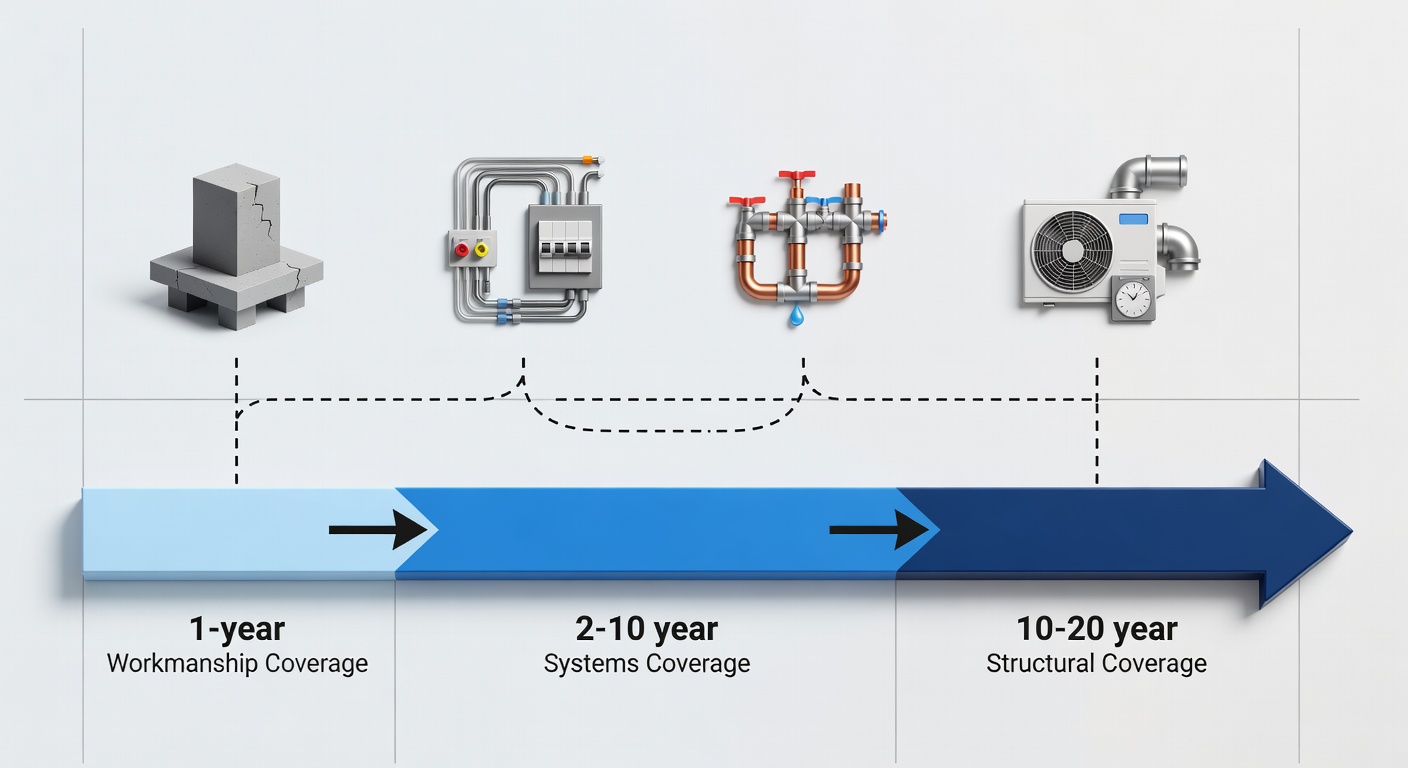
20-Year Transferable StrucSure Warranty
Every project includes a 20-year transferable warranty through StrucSure Home Warranty. Year one covers all workmanship and materials. Years two through ten cover major systems including electrical, plumbing, HVAC, and ventilation. Years ten through twenty protect structural components such as foundation, load-bearing walls, and framing. The warranty is backed by reinsurance from Lloyd’s of London since 1997 and remains with the home when sold.
Builder’s Risk Insurance During Construction
During active construction, projects receive builder’s risk coverage through SHW Insurance Services LLC. This policy protects the structure and materials from covered perils until the home is completed and the permanent warranty activates. Homeowners receive documentation of this coverage at project start.
Hurricane and Energy Code Compliance
All designs incorporate hurricane-resistant features rated for 140 mph winds and meet current Florida energy efficiency requirements. In-house teams handle design through final inspection, ensuring consistent code compliance. Local expertise in Central Florida climate challenges allows proper material and system selections that perform reliably in high humidity and storm conditions.
Common Mistakes When Hiring Florida Contractors
Many homeowners overlook license verification or accept verbal assurances about insurance. Experienced developers often begin every project by pulling the contractor’s current license record directly from the DBPR database. Another frequent error involves selecting the lowest bid without confirming warranty details or climate-specific construction experience. Homeowners should also avoid contractors who cannot provide written proof of current insurance certificates or who pressure for large upfront payments before work begins.
- Skipping the DBPR license check can lead to hiring unlicensed individuals who cannot legally pull permits.
- Ignoring warranty transferability reduces future home resale value.
- Choosing based solely on price often results in lower quality materials and missed code requirements.
Next Steps: Verify and Contact a Licensed Contractor
Start by confirming any contractor’s CGC status on the official DBPR site. Next, request written proof of current insurance certificates and review the exact terms of any offered warranty. Fox Certified Contractors Inc. provides free estimates and offers interactive 3D home planning tools to help clients visualize projects before construction begins. The company maintains transparent communication from initial consultation through final walkthrough.
Ready to begin your project with a fully licensed and insured Central Florida contractor? Get a Free Estimate today and receive a response within 24 hours.