

Seminole County room addition warranty integration 2026 combines StrucSure coverage phases with energy-efficient 140 mph rated construction to meet Florida Building Code while protecting long-term home value. Homeowners planning additions benefit from understanding how continuous load path engineering supports both warranty eligibility and energy code compliance in Central Florida’s climate.
Table of Contents
- StrucSure Warranty Definition for Seminole County Additions
- Energy Efficient Features Meeting 140 MPH Requirements
- Continuous Load Path Engineering and Warranty Phases
- Seminole County Permit Workflows for Energy Additions
- Cost Factors and Homeowner Decision Trees
- Common Pitfalls and What to Avoid
- Warranty Phases Versus Code Compliance Comparison
- Frequently Asked Questions
StrucSure Warranty Definition for Seminole County Additions
StrucSure warranty phases provide structured coverage starting with one year of full workmanship protection followed by systems and structural coverage extending to twenty years. This timeline directly applies to room additions when the project meets Florida licensing and code standards from the outset.
The one-year phase covers all materials and labor defects at no cost to the homeowner. Subsequent phases address electrical, plumbing, HVAC systems through year ten and major structural elements through year twenty. Coverage remains transferable, preserving value during future sales.
A short definition for quick reference: StrucSure warranty is a third-party backed policy that activates upon project completion and phases protections across workmanship, mechanical systems, and structural integrity over two decades.
- Year 1 covers workmanship and materials defects
- Years 2-10 cover major mechanical systems
- Years 10-20 cover foundation, framing, and load-bearing components
Energy Efficient Features Meeting 140 MPH Requirements
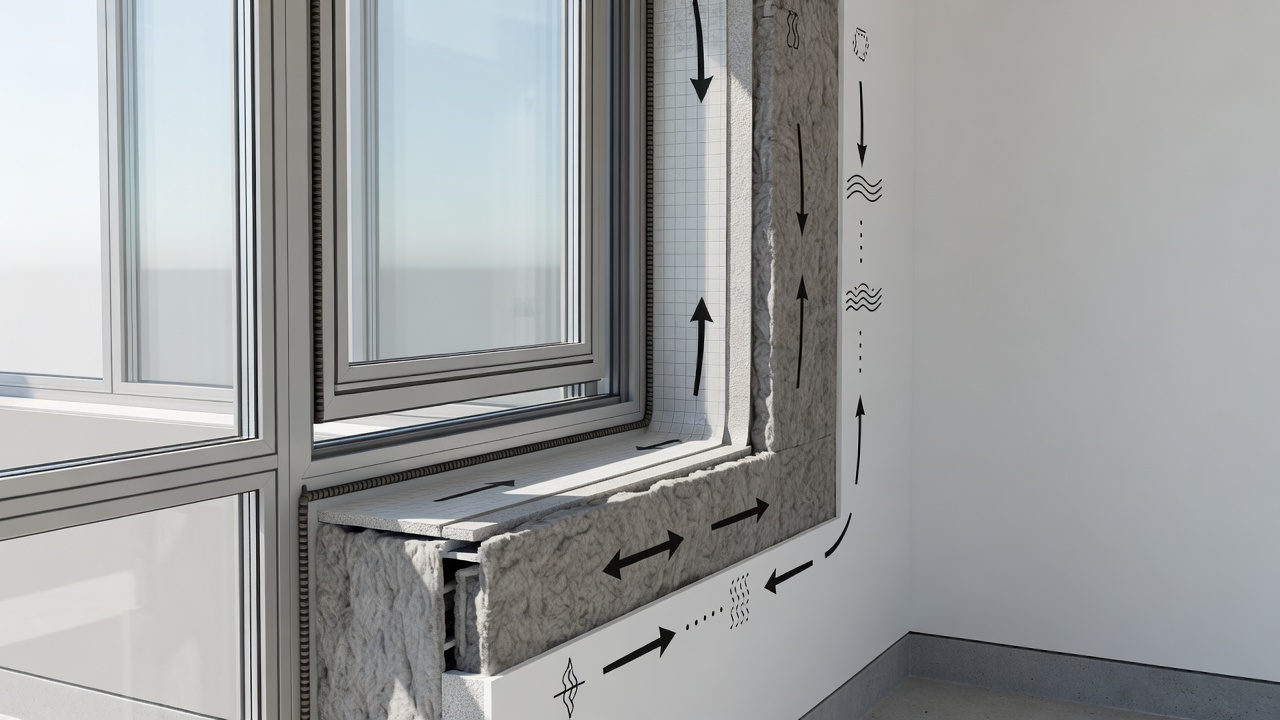
Energy efficient 140 mph room additions in Seminole County incorporate impact-rated windows, advanced insulation, and sealed building envelopes that simultaneously satisfy wind load standards and Florida Energy Code requirements. These features reduce long-term cooling costs while qualifying the addition for full StrucSure structural coverage.
Impact-resistant windows and doors form the core of wind protection. High-performance insulation combined with continuous air sealing maintains energy efficiency without compromising the continuous load path required for 140 mph ratings. Solar-ready electrical provisions further support modern energy goals.
Definition block: Energy efficient 140 mph construction refers to additions engineered to resist hurricane-force winds while exceeding minimum insulation and air leakage standards set by the Florida Energy Code.
- Impact windows maintain wind resistance and reduce solar heat gain
- Advanced insulation improves thermal performance
- Sealed envelopes support both energy savings and structural integrity
Review energy-efficient 140 mph custom homes Seminole County 2026 details for material specifications that align with warranty eligibility.
Continuous Load Path Engineering and Warranty Phases
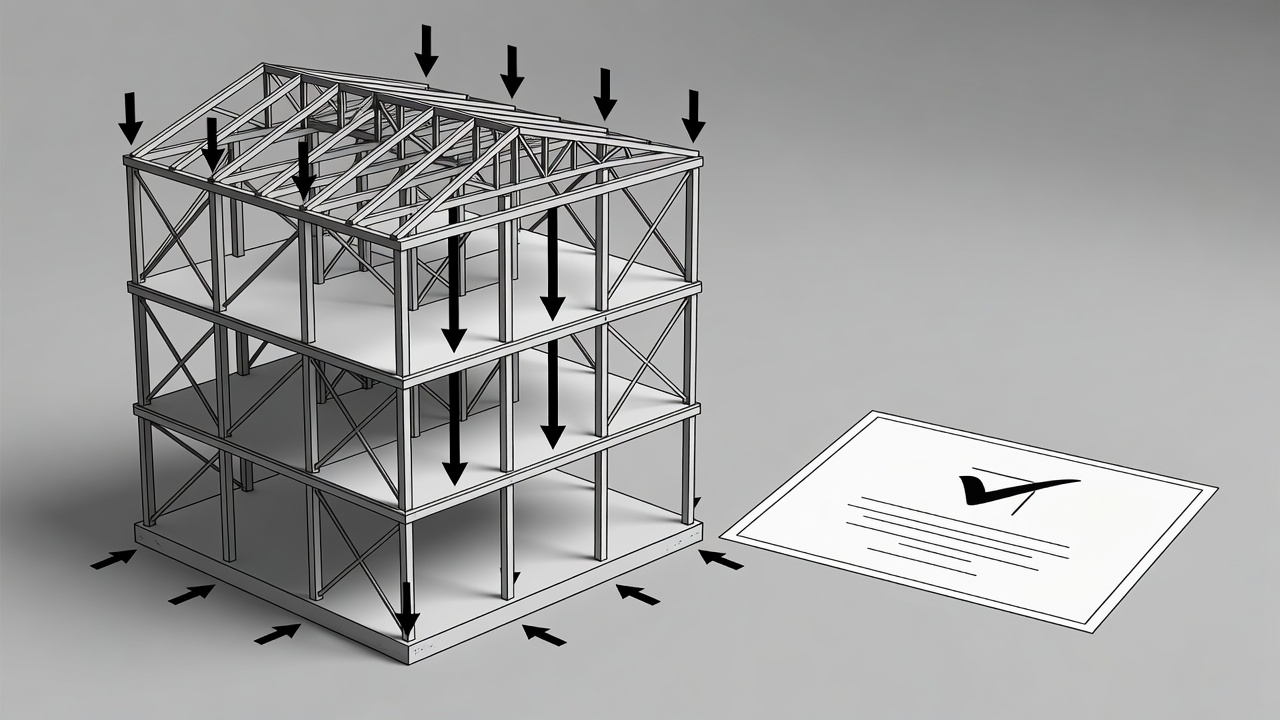
Continuous load path engineering ensures that wind forces transfer safely from roof to foundation, a requirement that directly influences StrucSure structural coverage eligibility for Seminole County room additions. Proper connections at each joint prevent load path breaks that could void long-term warranty protections.
Engineered connectors, hurricane ties, and reinforced framing create the uninterrupted path required by code. These same elements support the structural integrity phase of the warranty by demonstrating compliance during verification inspections. Additions lacking verified load path documentation risk coverage gaps.
Definition block: Continuous load path is the engineered sequence of connections that transfers wind and seismic loads from the roof through walls and floors to the foundation without interruption.
- Hurricane ties secure roof trusses to wall framing
- Reinforced headers maintain load transfer at openings
- Foundation anchors complete the path to the ground
Explore continuous load path engineering explained for homeowners in Central Florida 2026 for inspection checklists used during addition projects.
Seminole County Permit Workflows for Energy Additions
Seminole County permit workflows for energy efficient room additions require submission of wind load calculations, energy compliance documentation, and continuous load path details before construction begins. Early coordination with the building department prevents delays that could affect StrucSure warranty activation timelines.
Applicants must provide engineered drawings showing 140 mph compliance and energy code calculations using approved software. Inspections occur at key stages including framing, insulation, and final systems verification. Missing load path documentation during framing inspection commonly extends approval periods.
Definition block: Seminole County permit workflow is the sequential review process that validates structural, energy, and life-safety compliance before issuing a certificate of occupancy for room additions.
- Pre-application meeting confirms required documentation
- Framing inspection verifies continuous load path connections
- Final inspection confirms energy features and warranty eligibility
Cost Factors and Homeowner Decision Trees
Cost factors for Seminole County room addition warranty integration include engineering fees for load path verification, premium impact materials, and insulation upgrades that together determine both initial investment and long-term energy savings. Decision trees help homeowners prioritize features that maximize StrucSure coverage while meeting 140 mph and energy codes.
Base construction costs rise when continuous load path engineering and energy compliance are addressed together rather than sequentially. Homeowners who select impact windows and advanced insulation early avoid change orders that could disrupt warranty phase timelines. Regional labor and material availability in 2026 further influence final pricing.
Definition block: Homeowner decision tree is a step-by-step evaluation framework that weighs code requirements, warranty phases, and energy performance to select addition features that deliver optimal value.
- Engineering verification adds predictable upfront cost
- Impact materials increase initial expense but reduce insurance premiums
- Energy upgrades qualify for potential utility incentives
Common Pitfalls and What to Avoid
Common pitfalls in Seminole County room addition projects include omitting continuous load path verification during framing and selecting non-impact windows that fail both 140 mph requirements and StrucSure structural phase criteria. These oversights create coverage gaps and require expensive corrections after construction.
Experienced builders note that permit delays frequently occur when energy compliance forms are incomplete or when load path connectors are substituted without engineering approval. Homeowners should request written confirmation of warranty activation requirements before signing contracts. Climate-specific challenges such as high humidity can accelerate material degradation if sealing details are skipped.
A key strategy to consider involves scheduling a pre-construction meeting with both the building department and warranty representative to align expectations on documentation and inspection points. Reviewing similar completed additions in Seminole County provides practical examples of successful integration.
Warranty Phases Versus Code Compliance Comparison
The following table compares StrucSure warranty phases against Florida Building Code compliance steps required for energy efficient 140 mph room additions in Seminole County.
| Warranty Phase | Primary Protection | Related Code Requirement | Verification Method |
|---|---|---|---|
| Year 1 | Workmanship and materials | Permit inspections and final approval | Certificate of occupancy |
| Years 2-10 | Mechanical systems | Energy code mechanical efficiency | Third-party testing reports |
| Years 10-20 | Structural integrity | 140 mph wind load and continuous load path | Engineering verification letters |
Reference the full StrucSure warranty phases explained Florida 1-2-10-20 coverage timeline 2026 for additional phase details.
Frequently Asked Questions
How does continuous load path engineering affect StrucSure coverage for room additions? Continuous load path engineering is required for the structural phase of StrucSure coverage because it demonstrates that the addition can safely transfer wind loads, a condition verified during Seminole County inspections.
What energy features qualify a Seminole County room addition for both 140 mph rating and warranty protection? Impact-rated windows, advanced insulation, and sealed envelopes that meet Florida Energy Code simultaneously satisfy 140 mph wind requirements and support StrucSure eligibility when properly documented.
How long does the Seminole County permit process typically take for energy efficient additions? Permit timelines vary but commonly range from four to eight weeks when complete load path and energy documentation are submitted upfront, with framing inspections serving as critical checkpoints for warranty compliance.
Can StrucSure warranty phases be combined with existing home coverage after an addition? StrucSure coverage for additions activates independently upon project completion while remaining transferable, allowing integration with the primary home policy when continuous load path connections are verified at the junction points.
Ready to plan a Seminole County room addition that meets 2026 energy and wind codes while securing full StrucSure protection? Get Your Free Estimate today to discuss your project requirements with experienced Central Florida builders.