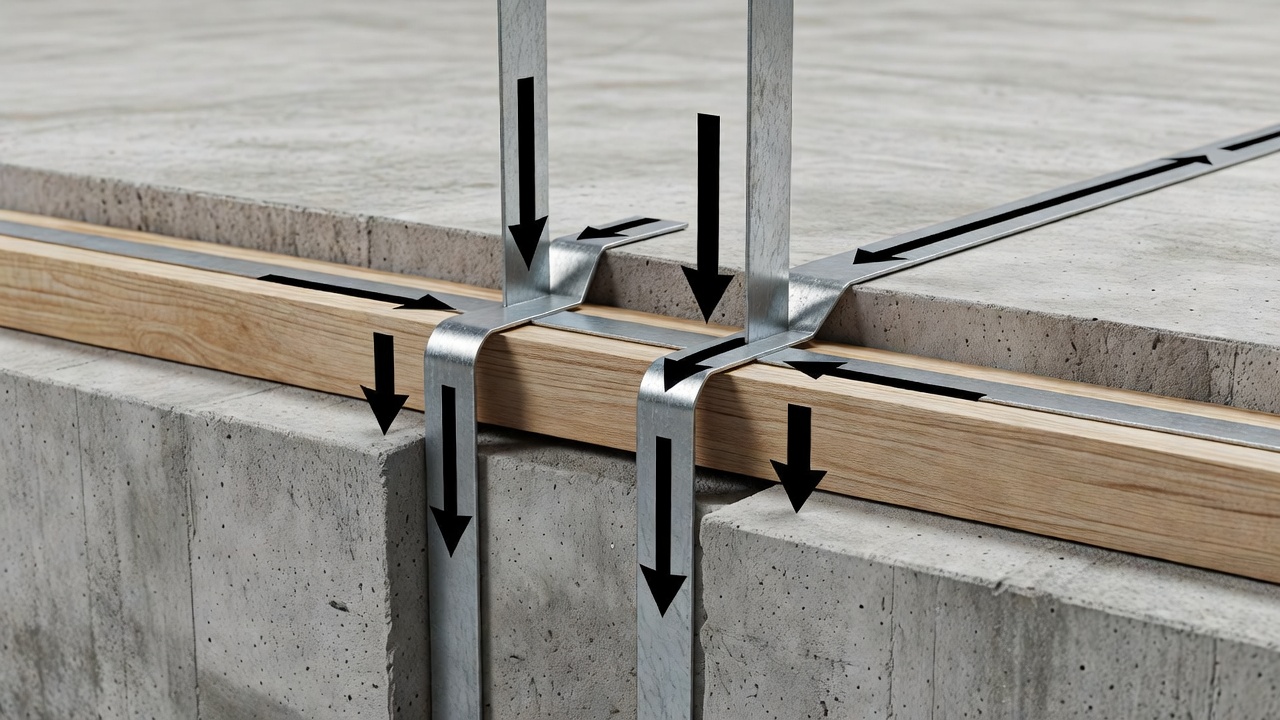

Continuous load path inspection checklist for florida homeowners forms the critical first step in securing both structural safety and long-term warranty protection for homes built to 140 mph standards in Seminole County. Proper verification at the framing stage confirms that every steel strap and connection creates an unbroken chain capable of resisting hurricane forces from roof to foundation.
Table of Contents
- Continuous Load Path Inspection Checklist for Florida Homeowners
- 140 mph Continuous Load Path Verification in Seminole County
- Common Framing Errors During Seminole County Inspections
- StrucSure Warranty Activation After Load Path Verification
- Florida Building Code Strap Requirements for 2026
- Real-World Inspection Timelines for Central Florida Homes
Continuous Load Path Inspection Checklist for Florida Homeowners
Continuous load path inspection checklist for florida homeowners starts with a complete review of the approved structural engineering drawings before any framing begins. Each strap location, gauge, and nailing schedule must match the calculations exactly to maintain the required load transfer path.
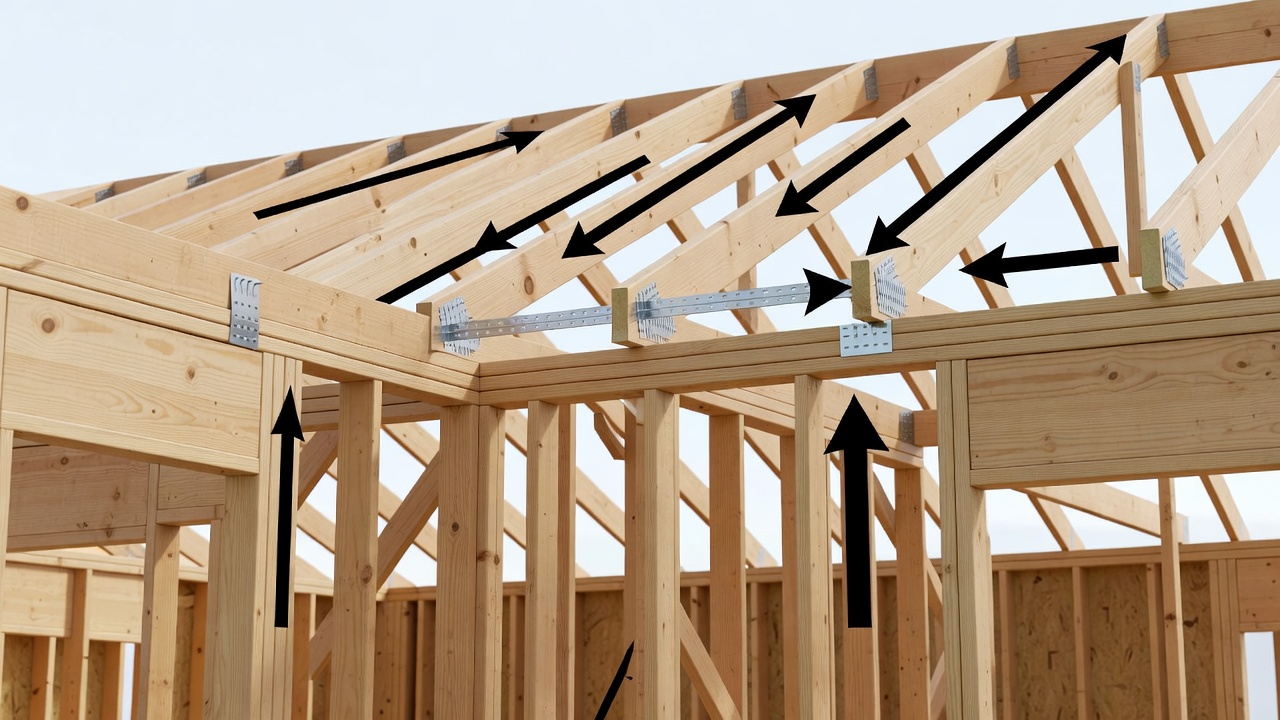
Begin at the roof deck and confirm every rafter or truss receives the specified strap that extends the full engineered distance onto both the top plate and the rafter. Verify that nails are fully seated without overdriving or splitting the wood, and that no straps have been omitted or relocated from the plan locations.
Continue downward through each wall story. Check that sill plate anchors and hold-downs align precisely with the foundation plan and that strap placement at every level maintains the continuous path from roof to footing. Photograph every verified connection with date stamps for official records.
140 mph Continuous Load Path Verification in Seminole County
140 mph continuous load path verification requires inspectors to cross-reference every strap against the wind load calculations specific to Seminole County exposure categories. This step ensures the home meets current Florida Building Code provisions for high-velocity hurricane zones before drywall installation covers the framing.
Engineers calculate strap sizes based on roof geometry, wall height, and site-specific wind exposure before construction starts. Inspectors then measure actual placement and confirm that all connections achieve the minimum required capacity without deviation from the approved drawings.
Homeowners benefit when builders maintain a digital checklist that logs each strap before the county inspection occurs. This preparation typically results in first-pass approval and avoids costly re-inspection delays during the framing phase.
Common Framing Errors During Seminole County Inspections
Common framing errors during Seminole County inspections include straps that miss the center of the top plate by more than one inch or nails that are overdriven and split the lumber. These issues break the continuous load path and require immediate correction before the inspection can pass.
Another frequent problem occurs when straps are installed with the wrong nail schedule or omitted entirely at critical corners and gable ends. Inspectors flag these omissions because they reduce the home’s ability to transfer wind loads safely to the foundation.
Experienced builders often photograph every strap location immediately after installation and before insulation is added. These records serve as permanent documentation that supports both warranty claims and future property sales in Central Florida.
StrucSure Warranty Activation After Load Path Verification
StrucSure warranty activation occurs only after the framing inspection confirms that the continuous load path has been properly installed and documented. Without this verification, the structural portion of coverage cannot begin on schedule.
StrucSure warranty phases begin after documented continuous load path verification at framing inspection. Year one covers workmanship defects. Years two through ten protect roof plumbing electrical and HVAC systems. Years ten through twenty cover load bearing structure and foundation when all steel straps remain intact and unaltered.
| Phase | Duration | Covered Items |
|---|---|---|
| Workmanship | Year 1 | Materials and labor defects |
| Systems | Years 2-10 | Electrical, plumbing, HVAC |
| Structural | Years 10-20 | Foundation, load-bearing walls, framing |
A key strategy to consider involves requesting copies of all strap verification photos and inspection reports immediately after the framing stage passes. These documents become essential evidence when filing any future claim or transferring the warranty to a new owner.
Learn more about the full coverage timeline at StrucSure Warranty Phases Explained: Florida 1-2-10-20 Coverage Timeline 2026.
Florida Building Code Strap Requirements for 2026
Florida Building Code strap requirements for 2026 mandate specific gauge, length, and nailing patterns for all continuous load path connections in Seminole County. These standards are updated periodically to reflect new wind tunnel data and material performance testing.
Builders must use straps that meet or exceed the capacity listed in the approved engineering calculations for the project’s wind speed and exposure category. Any substitution requires written approval from the structural engineer of record before installation.
Read the detailed engineering explanation at Continuous Load Path Engineering Explained for Homeowners in Central Florida 2026.
Real-World Inspection Timelines for Central Florida Homes
Real-world inspection timelines for Central Florida homes typically allow two to three business days between framing completion and the county framing inspection. Scheduling the inspection early in the week helps avoid weekend delays and keeps the overall construction schedule on track.
Builders who prepare a complete strap verification package in advance usually receive same-day approval when the inspector arrives. This preparation includes printed drawings, material cut sheets, and labeled photographs of every connection point.
Homeowners in Seminole County should confirm that their builder maintains current licensing and insurance documentation on file with the county before the first inspection is requested. This step prevents administrative holds that can extend the timeline by several days.
Request a free construction estimate including 3D visualization and full warranty documentation for your project at https://foxcertifiedcontractors.com/free-construction-estimate-florida-accurate-custom-home-quotes-2026/.
What documents are mandatory for a Central Florida room addition permit in 2026? Architectural drawings, structural engineering with continuous load path calculations, energy compliance forms, and a current survey are required by both Seminole and Orange Counties.